Table Of Content
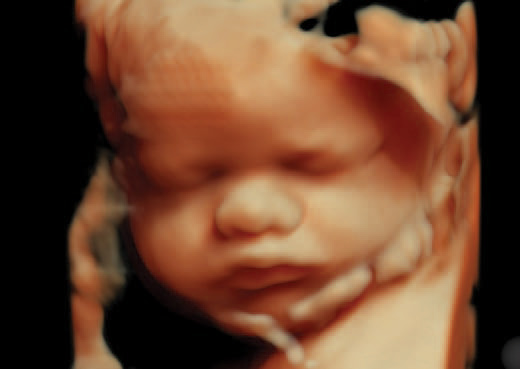
Ultrasounds are fascinating; they use sound waves to paint a picture of your baby. The transducer sends out these waves, they bounce back, and voilà, an image appears on the screen. Vellus is the hair a baby is born with, usually formed in the last weeks of the third trimester.
Are 3D Ultrasounds Safe?
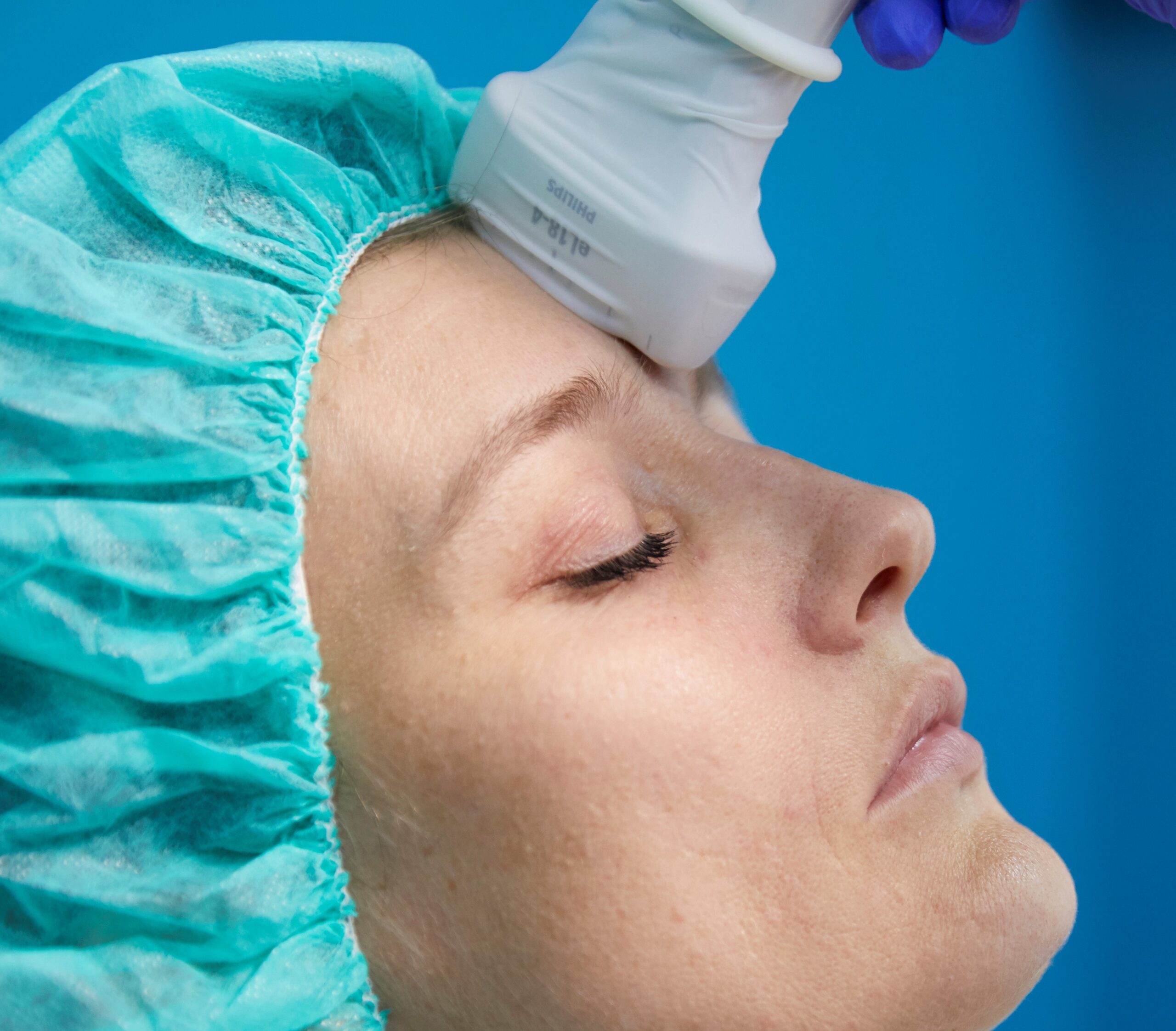
While traditional 2D ultrasounds are routine during prenatal care, some parents opt for a 3D ultrasound to get a more detailed look at their baby’s features. 3D ultrasound technology allows parents-to-be to see what their developing baby looks like. In order to try and determine whether or not there is hair present, technicians must look closely at the specific area where the baby’s head will be located during the scan.
Factors That Limit Hair Visibility on Ultrasound
It’s also important to note that the quality of the ultrasound machine and the skill of the technician can affect the visibility of hair on a 3D ultrasound. Ultrasound technology has been used for decades to monitor the development of fetuses during pregnancy. With advancements in technology, 3D ultrasounds have become increasingly popular among expecting parents. Since 2004, Stork Vision 3D/4D Ultrasound has been providing expectant mothers with the highest quality limited diagnostic 2D, 3D and 4D ultrasounds. Our Centers provide you and your family with the opportunity to interact and share in this once-in-a lifetime experience through the eyes of ultrasound.
Help Keep Our Community Safe
When looking at an ultrasound image, there are several things to keep in mind. The Editorial Team is comprised of several freelance hair enthusiasts that share a love of hairstyles, haircare, and hair products. Using both personal experience and third-party research, the team brings a unique perspective to their writing that might even feel like your hairstylist is talking to you themselves. When a patient may have cancer or some other abnormal cell growth, ultrasounds are indispensable when externally examining whatever problem has arisen. However, ultrasounds are also used to inspect for breast cancer, tumors, cysts, or other abnormalities. However, some facilities may offer 3D ultrasounds as early as the first trimester, or as late as the third trimester.
The term “5D ultrasound” is a marketing term used by some ultrasound providers to refer to a 3D ultrasound with added features such as color and movement. It is still possible to see if the baby has hair on a 3D ultrasound with added features. While premature babies may have some hair, it is often very fine and light in color, making it difficult to see on a 3D ultrasound. Additionally, premature babies may have less hair than full-term babies, as hair growth is one of the last things to develop in utero. To address this issue, some ultrasound machines are equipped with special probes that can penetrate through the fatty tissues more effectively. Additionally, some techniques such as changing the patient’s position or using a different frequency of ultrasound waves can also help improve the quality of the images obtained.
3D ultrasounds can give you a clearer image of your baby’s features than 2D ultrasounds can. In conclusion, while heartburn is a common symptom of pregnancy, it is not related to the amount of hair a baby has. The amount of hair a baby has is determined by genetics, and there is no way to predict how much hair a baby will have based on the mother’s heartburn. However, with the use of specialized equipment and techniques, it is possible to overcome these challenges and obtain accurate and high-quality ultrasound images. However, it is important to remember that 4D ultrasound is not a replacement for regular prenatal care and should always be used in conjunction with other diagnostic tools.
My Baby: Human Then, and Human Now - LifeNews.com
My Baby: Human Then, and Human Now.
Posted: Mon, 10 Aug 2015 07:00:00 GMT [source]
Sometimes, the baby may be facing away from the transducer or have their hands in front of their face, making it challenging to get a clear image. In such cases, the technician may ask you to change positions, walk around, or even grab a sugary snack to encourage your baby to move. However, it may not be visible on an ultrasound until later in the pregnancy when the baby’s hair is longer and thicker. The quality of the ultrasound image can also affect the visibility of the baby’s hair. Ultrasounds are widely used in medical imaging to produce images of internal organs, tissues, and structures. However, the accuracy of ultrasound imaging can be affected by various factors, including the amount of body fat present in the patient.
It is important to shop around and compare prices before making a decision. Ultrasound scans are safe, non-invasive, and painless, and are an important diagnostic tool for a wide range of medical conditions. Ultrasound scans are safe, non-invasive, and painless, making them an ideal diagnostic tool for a wide range of medical conditions. It’s important to understand the purpose of 3D ultrasounds, the procedure itself, and the potential risks before making a decision. As a mother of three young children myself, I have firsthand experience when it comes to walking through difficult situations as a parent. My commitment is to share my own experiences as well as research-based information in order to provide insightful advice for all kinds of issues related to parenthood.
This new sound based 3D printing technique is the future - Interesting Engineering
This new sound based 3D printing technique is the future.
Posted: Sat, 09 Dec 2023 08:00:00 GMT [source]
Taking Afternoon Pregnancy Test What You Need To Know
In addition, 3D ultrasounds can provide valuable information about fetal cardiac activity and help healthcare providers diagnose and treat any potential issues. Although medically necessary ultrasounds aren’t shown to cause harm when performed by trained health care professionals, ultrasound may heat tissues or produce small bubbles called cavitation. As we discussed earlier, 3D ultrasounds create three-dimensional, lifelike images of your baby in the womb.
While HDLive 3D ultrasound and 4D ultrasound technology do not display “stands” of hair, the rendering may display contours on the baby’s head which is a sign that they baby has hair. Ultimately, the best method to “see” if the baby has hair is to use the standard, more traditional 2D ultrasound (black and white) which displays “fuzz”, a key indication that hair is present. Additionally, the sound waves emitted by ultrasounds have to travel through amniotic fluid, fat, and skin on their way to your babe. This can cloud your final image and make any hair growing on your baby’s head difficult to see.
This halo is caused by the scattering of sound waves as they pass through different tissues. The contours of organs and tissues can provide valuable information about their size, shape, and location. However, it is important to note that 3D ultrasound is not always necessary or recommended for every pregnancy. It is typically used in cases where there may be a concern about the baby’s health or development, or in cases where parents want a more detailed view of their baby. However, this can vary depending on the baby’s position, the amount of amniotic fluid, and other factors.
The images are then reviewed by a trained professional, such as a radiologist or obstetrician, who will provide a report to the patient’s health care provider. In general, it is not possible to determine the exact shade of a baby’s hair on an ultrasound scan. It is important to note that 4D ultrasound is not a replacement for regular prenatal care. It is a diagnostic tool that can provide additional information about the baby’s health and development. Interpreting ultrasound images can be challenging, especially for those who are not familiar with the technology. Ultrasound images are typically black and white, and they can be difficult to interpret without the proper training.


No comments:
Post a Comment